


3/11: Escape Higher, Escape Further

Painting the picture
perfectly normal day in Japan, people going about their day, you’re at your office, schools are holding graduating ceremonies, NHK is discussing its national diet budget
Its 2:30 in the afternoon, you experience your first earthquake tremor, nothing new
It lasts for 6 minutes and its the first 9 scale magnitude tremor ever experienced, the length of the tremor is astonishing, still nothing to worry about, people around you start filming all of this
Alarm signs starts blaring, asking you to reach for higher ground, a very common sign indeed, you ignore and go about your day, still experiencing multiple aftershocks
Roads start cracking up, no one had experienced such strong tremors, this was something above ordinary
You see people doing the common drill, kinds being evacuated, people rushing, traffic’s all jammed up, slight survival instinct kicks in, you see the water along the coastlines has already started receding, news warning you to move away from the coastline start feeling legitimate.
You realise the tsunami alert might’ve been serious, you start reaching for higher ground and maybe start filming.
Its 3:20 the water level starts rising, you see policemen advising people to move away from the shore, you pay no heed
Its 3:36 pm the water starts to creep up the defence wall
You think of leaving, but the tremor had built up a huge mud Layer making cars impossible to move
At this point the water starts overflowing and you’ve now realised its already too late to escape, cars start to float up, carrying with it huge chunks of debris, there’s practically no escape now.
The tsunami also hit many people evacuating by car, between building the water level rises faster, making it almost impossible to escape by 4 wheeler.
You see cars violently slamming against dark debris-filled water, Crushing anything in between
The waves roll in at incredible speed, they rise faster in the city due to the buildings, an unimaginable volume of water Gushing through the streets, travelling at unimaginable speeds, Ravaging up everything in its path
The only regret you now have is if you’d had listened to the broadcast sooner<16:10>
It was a chilling reminder of the same nature forces that surround us everyday have the potential to cause us misery beyond human comprehension
This is just one example of many of survivors’ guilt that plagues many of the victims of the 3/11 disaster.


The March 11 2011 Tohoku earthquake
which ravaged Japan’s northeastern coast and left everyone who survived with a story to tell.
The first 24 hours of the tsunami waves were devastating, this was the 4th most powerful earthquake in Japan and covered over 560km^2 of area,
Modified Mercalli intensity (MMI) of IX (Violent), which was also recorded at five other installations at Ōsaki, Onagawa and Iwanuma, Miyagi, Haga, Tochigi, and the Fukushima Daiichi Nuclear Power Plant; tremors exceeding MMI VI (Strong) or higher were felt in the Greater Tokyo Area,
the waves roll in, an unimaginable volume of water, travelling at unimaginable speeds, eating up everything in its path
people screaming everywhere, community housing trying to figure out rations, people comforting each other of their lost family and next of kins,
It was an absolute chaos, the large pedestrian bridge of Fukushima could be seen rippled apart. Japan experienced over 1,000 aftershocks since the earthquake, with 80 registering over magnitude 6.0 Mw and several of which have been over magnitude 7.0.
The tsunami had an incredibly destructive approach to the Kitakami River called a tsunami bore, a tsunami only reach upto few 100 km but a tsunami bore can travel
upto 10x that inland due to path of least resistance which made the water flow an astonishing 50 kilometers upstream.
Assessing Damage
Over the course of next few days the damage was assessed over the entire effected region
When the first wave of earthquake hit, no serious damage was done, but all the 6 external power supply sources had been cut off, then 41 unites later the first tsunami wave hit, and then a second one 8 minutes later, this submerged the damaged seawater pumps and caused a station blackout, causing isolation from the main cooling system
Around 8:50pm the Fukushima prefecture issued an evacuation order for people within 2 km of the plant which was then extended to 3 km, subsequent shifts in the evacuation zone finally made it to a 20 km radius.
The tsunami disabled the power supply and cooling of three Fukushima Daiichi reactors, causing a nuclear accident beginning on 11 March 2011. All three cores largely melted in the first three days.
23 out of the 24 radiation monitoring stations on the plant site were disabled by the tsunami.
The reactor was eventually decommissioned in the month of December under a “Cold-Shutdown” where In mid-May 2011 work started towards constructing a cover over unit 1 to reduce airborne radioactive releases.


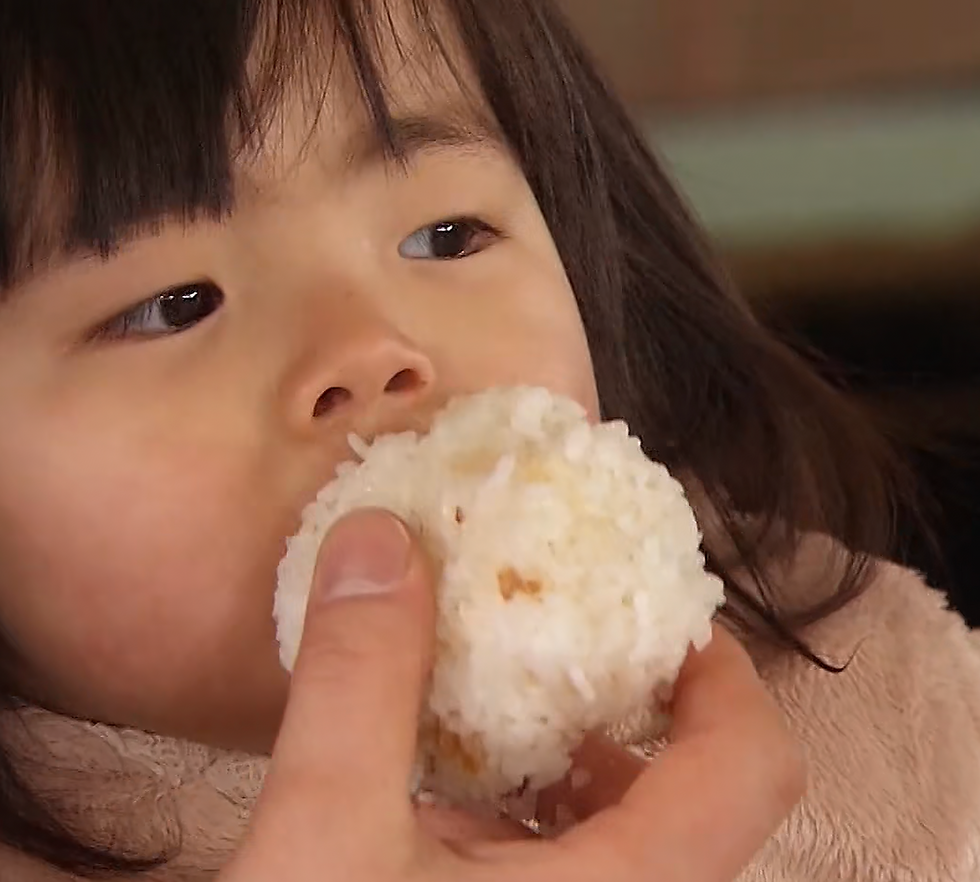
wakame rice balls had become a staple and comfort food during these times of crisis and were being served in the community shelters housing thousands of displaced families and children, even with dwindling food supplies order was maintained and ration was managed.
But during prolonged times and decreasing micronutrients, the turning point was the introduction of Takidashi a.k.a hot-meal mass-feeding set up by Japan Self-Defense Forces (JSDF) along with civilians helped building psychological endurance.
Recovery
The government initiated its recovery journey by first providing shelter for the displaced, temporary housing along with schools were being built, but due to shortage of both land available and housing, tenants were based on lottery system, with a maximum stay span of 2 years
When the 20-km no-entry zone near the nuclear reactor was opened for press it almost had this post apocalyptic landscape, stray animals with collars that once were pets, blackboards still holding march 11, was a mark of scale of destruction this tsunami had caused, People were hoping to find the remains of their once called home, keeping any tiny keepsake to hold on to.
In other parts of tsunami affected are, especially costal regions known for seaweed farming, Residents were now rushing to revive the area, for what reason you may ask, because people were now starting to move to bigger cities, that ment lack of people in rural areas due to lack of work.
By September 2020,
2313 disaster-related deaths among evacuees from Fukushima prefecture that were not due to radiation-induced damage or to the earthquake or to the tsunami.
90% of deaths were for persons above 66 years of age.
Where in 30% occurred within the first three months of the evacuations, and about 80% within two years. called the Tsunami Tendenko: literally translating to “when tsunami comes-don't wait for anyone else” which is deeply engraved in the costal upbringing of children aids in these numbers, these Bosai(Disaster Prevention) culture is what effectively aided in keeping these numbers to a low.
What made me write about this topic;
Id like to draw your attention towards this small town of Rikuzentakata in the Iwata Prefecture

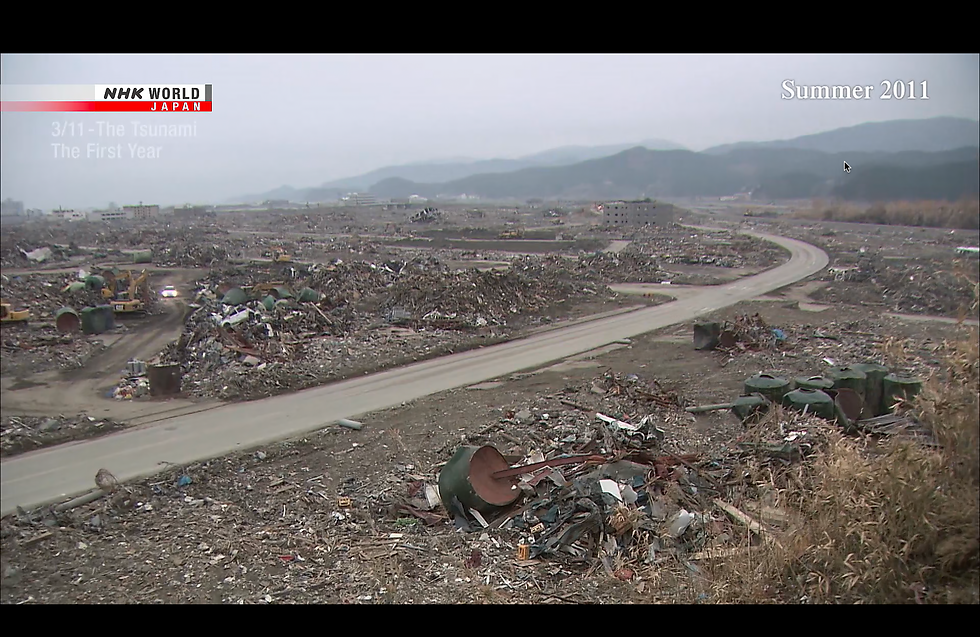
This town was famous for its summer festival Every year, 12 districts in the region displays flats and holds a parade with drums and flutes. Logically, most of the floats were lost during the tsunami, people felt that their district might disappear, and so they did.
Pictures of lost loved ones was added to the float, it was a bitter feeling, but in the end, people carried that forward. They were victims, sure, they had every right to grieve, but its these small actions that gave them strength to keep moving forward.
It wasn’t the tsunami or the Fukushima Daichi power plant, nor even the bonsai culture, its the sheer spirit of people that makes the Japanese truly what they are, and that is what made me write about them.


Comments